Source Fakra Connector GPS Antenna for Cars, IoT, and Telematics
Find and compare 30 fakra connector gps antenna options for automotive, IoT, and telematics applications. Review specifications like frequency, impedance, and mounting types to select the right component for your electronic systems; compare the available evidence and request quotations based on your requirements.
Key considerations
Products List


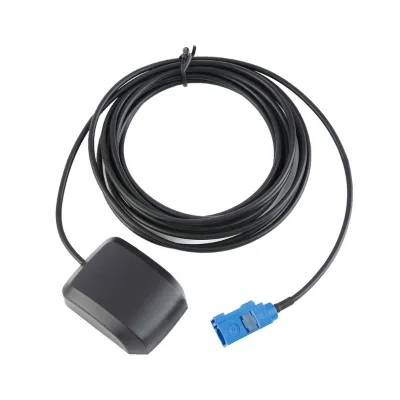


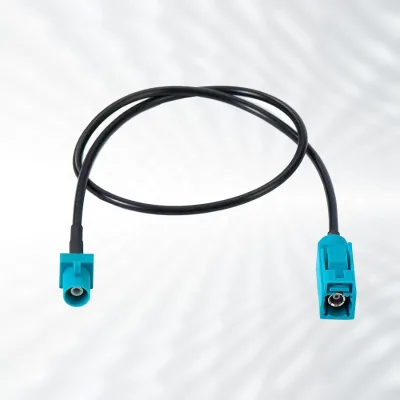


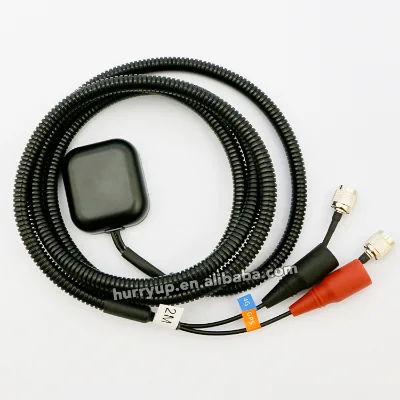
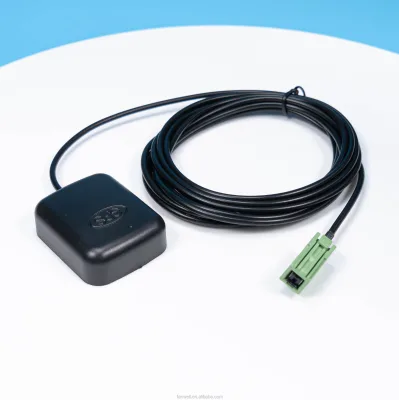
Comprehensive Sourcing Guide
Fakra Connector GPS Antenna Sourcing Guide
Product Scope and Observed Listing Signals
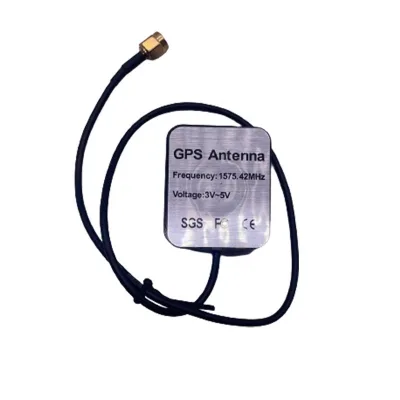
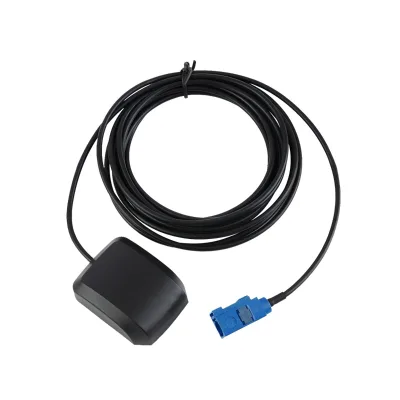
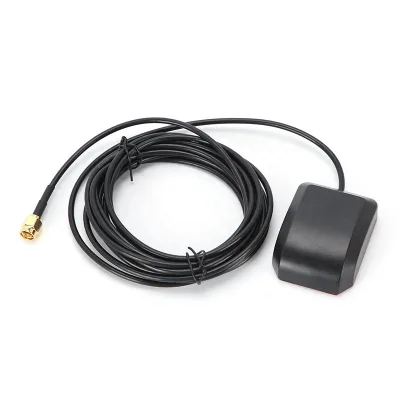
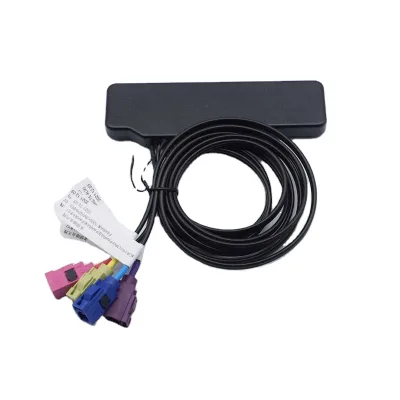
The market for external GPS antennas features diverse form factors, ranging from compact magnetic mounts to specialized base station units. Listings often highlight omnidirectional capabilities and specific frequency bands, such as the 890-960 MHz and 1850-1990 MHz ranges, which may indicate dual-purpose communication and positioning functions. Buyers should note that some products are explicitly labeled as GSM antennas, while others are dedicated GPS active external units, requiring careful distinction between pure navigation receivers and combined communication devices.
Physical dimensions and mounting styles vary significantly across suppliers, with observed sizes including 150x21x5.7mm for wire antennas and 48x37x15mm for more compact modules. The presence of magnetic mounting options suggests suitability for automotive or temporary deployment scenarios, whereas base antenna configurations may imply fixed installation requirements. Procurement teams must verify whether the listed item is a standalone GPS receiver or a multi-functional unit, as this distinction directly impacts integration complexity and signal purity for critical navigation applications.
Technical Specifications to Verify
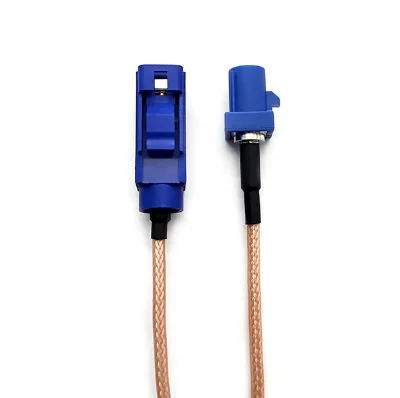
Connector compatibility is a primary technical constraint, with Fakra connectors appearing alongside SMA, BNC, MCX, and other interfaces in supplier catalogs. Buyers must confirm that the selected antenna’s connector type matches their vehicle’s or device’s existing harness to avoid costly adapters or rewiring. The operating wavelength and frequency range are critical; for instance, standard L1 GPS signals operate around 1575.42 MHz, and antennas must support this carrier frequency with adequate gain to ensure reliable satellite lock in challenging environments.
Impedance matching is another vital parameter, with 50 Ohms being the standard for most RF communication and navigation equipment. Mismatched impedance can lead to signal reflection and reduced performance, so verifying the antenna’s impedance against the system’s requirements is essential. Additionally, the Voltage Standing Wave Ratio (VSWR) should be checked, with values below 1.5 indicating efficient power transfer. Cable length and type, such as RG-174 or RG-3m/5m variants, also influence signal loss and must be selected based on the distance between the antenna and the receiver unit.
Compliance and Safety Documentation
Regulatory compliance is non-negotiable for electronic components sold in international markets, and buyers should demand proof of relevant certifications. Common standards observed in supplier listings include CE, RoHS, FCC, and ISO9001:2008, which indicate adherence to safety, environmental, and quality management principles. For automotive applications, ISO/TS16949 certification may be required to ensure that manufacturing processes meet the rigorous quality standards of the automotive industry, reducing the risk of field failures.
Documentation should also include detailed test reports that verify the antenna’s performance against its stated specifications. Buyers should request data on gain, bandwidth, and polarization to ensure the antenna meets the specific needs of their application. It is crucial to verify that the certifications are current and issued by recognized bodies, as outdated or self-declared certifications may not provide adequate legal or operational protection. Clear labeling of materials and components, such as aluminum housings, can also aid in traceability and quality assurance.
Cost Drivers and Commercial Terms
Pricing for GPS antennas is influenced by several factors, including the complexity of the internal circuitry, the quality of the connector, and the length of the cable. Observed price ranges can vary widely, from low-cost basic units to premium models with advanced signal processing capabilities. Buyers should consider the total cost of ownership, which includes not only the unit price but also the cost of installation, potential modifications, and long-term maintenance.
Minimum Order Quantities (MOQ) and lead times are significant commercial considerations, with MOQs ranging from single units to hundreds of pieces. Suppliers may offer sample times of 1-3 days, but production lead times can extend to 3-7 days or longer depending on order volume and customization requirements. Negotiating flexible terms for samples and small batches can help mitigate risk during the initial sourcing phase, allowing buyers to validate product quality before committing to larger orders.
Supplier Qualification and Quality Control
Evaluating supplier capability requires a thorough review of their manufacturing processes and quality control systems. Buyers should verify that the supplier has a robust quality management system in place, ideally certified to ISO9001 or industry-specific standards. The origin of the product, often listed as China or specific regions like Guangzhou, should be considered in the context of the supplier’s overall reputation and track record in the global market.
Quality control measures should include incoming material inspections, in-process testing, and final product verification. Buyers should inquire about the supplier’s defect rate and their process for handling non-conforming products. Additionally, the availability of customization services, such as custom cable lengths or specific connector types, can be a valuable indicator of a supplier’s flexibility and technical competence. Establishing a clear communication channel for technical support and after-sales service is also crucial for long-term partnership success.
Long-Term Procurement Checks
Sustaining a successful procurement relationship requires ongoing monitoring of product performance and supplier reliability. Buyers should establish key performance indicators (KPIs) related to delivery times, product quality, and responsiveness to technical queries. Regular audits or reviews of the supplier’s quality management system can help ensure that standards are maintained over time, especially as product designs evolve or market requirements change.
Feedback loops from end-users or field applications are essential for identifying any emerging issues with the antennas. Buyers should document any failures or performance degradations and share this information with the supplier to drive continuous improvement. Additionally, staying informed about technological advancements in GPS and communication technologies can help buyers anticipate future needs and adjust their sourcing strategies accordingly, ensuring that their supply chain remains competitive and resilient.
FAQs
What is the operating wavelength for this antenna?
The operating wavelength is specified as microwave for the base antenna model. Some variants support medium wave for different applications. This ensures compatibility with standard communication frequencies in the 890-960 MHz and 1850-1990 MHz ranges.
Which connector types are available for this antenna?
Available connectors include Farka D, SMA, BNC, MCX, and Fakra. The specific connector depends on the model selected, such as the GKA-GSM-YC011 or GKA-GPS-051. Buyers should verify the exact connector type required for their specific installation needs.
Can I customize the antenna specifications for my project?
Yes, customization is available for this antenna product line. Buyers can request specific modifications to meet unique project requirements. This flexibility allows for tailored solutions while maintaining the core performance standards and certifications like ISO and CE.
What is the lead time for ordering these antennas?
The standard lead time for these antennas is 3 to 7 days. Sample orders can be prepared within 1 to 3 days. This quick turnaround supports urgent procurement needs while ensuring quality control and adherence to production schedules.
How is the antenna mounted for automotive use?
The antenna features a magnetic mounting option suitable for automotive applications. It is designed for use as a car antenna with a compact size. This mounting method allows for easy installation and removal without permanent modifications to the vehicle.
What certifications does this antenna product hold?
The product holds certifications including RoHS, CE, FCC, and ISO9001:2008. These standards ensure compliance with international safety and quality regulations. Buyers can rely on these certifications for market entry and regulatory approval in various regions.
What is the impedance value for this antenna?
The impedance value for this antenna is 50 ohms. This standard impedance ensures optimal signal transmission and reception performance. It is compatible with most communication systems and equipment designed for 50-ohm interfaces.